
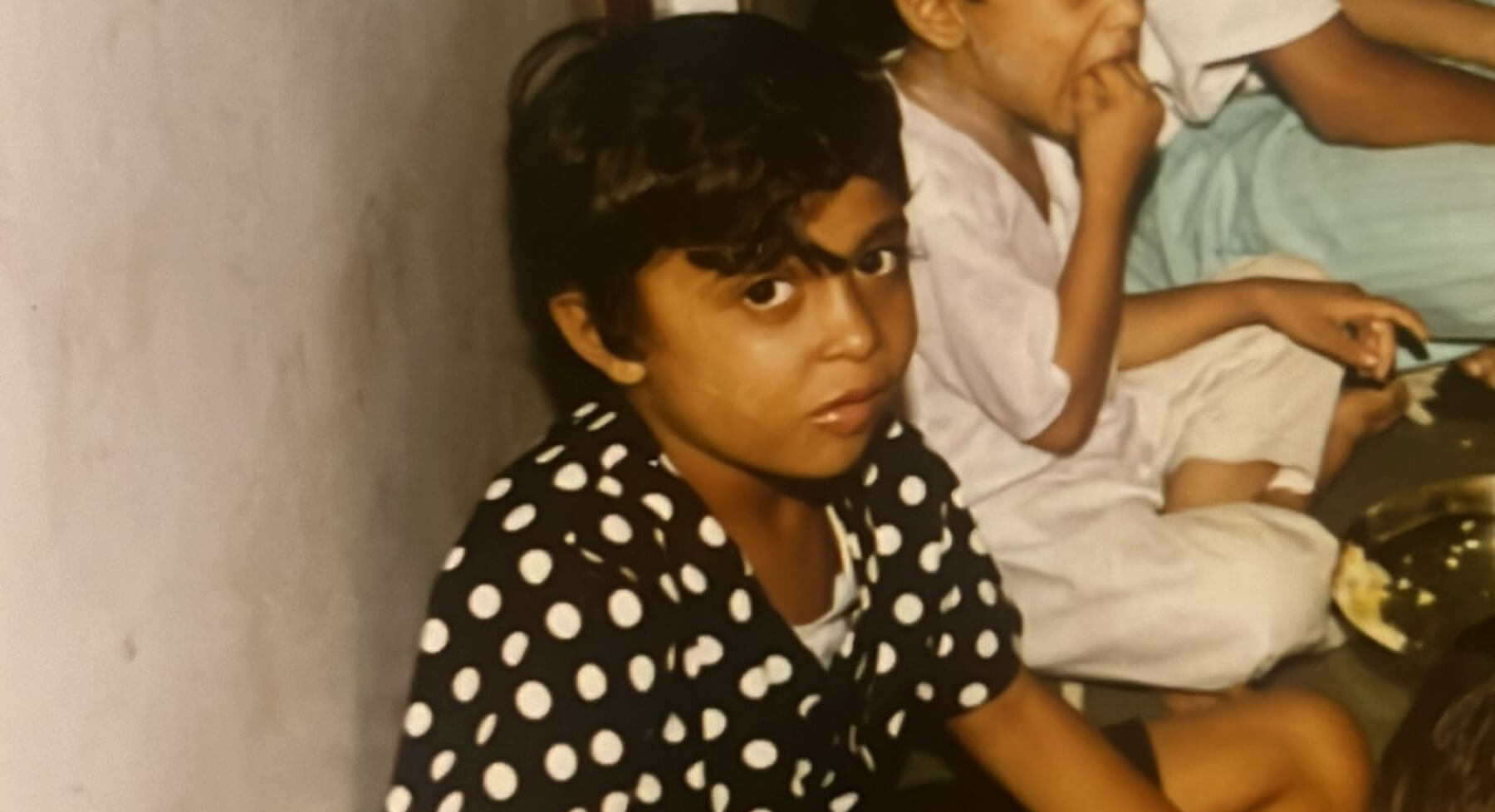
Every summer growing up in India, my aunts, uncles, cousins, and I gathered at my grandparents’ house, filling our days with games, stories, rooftop sleepovers, and plenty of mangoes.
We’d huddle around a crate of mangoes, each with a slice or peel in hand, scraping the flesh with our bottom teeth until the juice ran down our wrists. For everyone else, it was pure joy.
For me, it was torture. The fibres wedged between my teeth caused sharp pain, and I grew to dread the very fruit everyone else adored. Sometimes we tried another way by squeezing the fruit into pulp and sipping it through the top, but that was sticky, messy, and still not for me. I ate mangoes only to be part of the ritual, because the togetherness was sweeter than the fruit itself.
When I moved to Canada in 2001, those mango rituals came to an end. I didn’t miss the fruit. I thought mangoes simply weren’t “my thing.”
Fast forward fifteen years to Thailand, when someone offered me perfectly sliced golden mango. I took a bite and was floored! the flavour was incredible! Turns out, I never hated mangoes at all. I just hadn’t yet found the way that worked for me.
Now? I swoon over mango season. Slurp! 🥭✨
Mangoes remind me that context matters.
Food isn’t just about nutrients. it’s about memories, culture, comfort, and sometimes frustration. Just like my rediscovery of mangoes, many people discover it’s not food itself that’s the problem, but the rules, methods, or stories attached to it.
And to all the folks living with diabetes: yes, you can have your mango and eat it too. Wondering how to enjoy it while balancing your blood sugars? That’s one of the most common questions I get every summer and one I love helping people answer!